
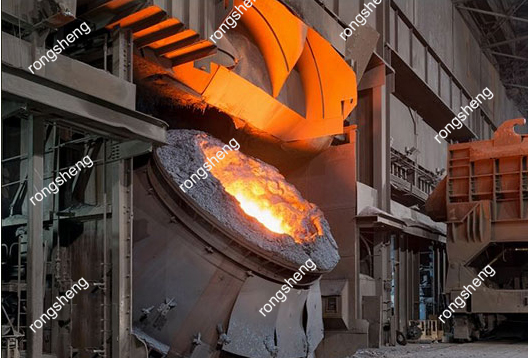
A molten iron ladle is an important vessel used to receive, transport, and transfer molten iron during the ironmaking and steelmaking process. It is exposed to extremely high temperatures, molten iron, slag erosion, thermal shock, and mechanical impact. Therefore, suitable refractory materials are required to protect the ladle shell and ensure a long service life.
Here are some common refractory materials used in molten iron ladle:
High Alumina Bricks: Widely used in molten iron ladle because of their excellent refractoriness, mechanical strength, and resistance to chemical attack. They can be used in the permanent lining, bottom, side walls, and other areas depending on the specific ladle design and operating conditions.
Alumina-Magnesia Castable: Commonly used monolithic refractory for molten iron ladles. It provides good resistance to molten iron and slag corrosion, thermal shock, and mechanical wear. Castable linings can also form a relatively seamless structure, making them suitable for large ladles and complex areas.
Alumina-Silicon Carbide-Carbon Materials: Alumina-SiC-C refractory materials combine alumina, silicon carbide, and carbon to provide good resistance to corrosion, abrasion, and thermal shock. Silicon carbide improves wear and corrosion resistance, while carbon can help reduce molten metal penetration. These materials are suitable for demanding working conditions in hot metal handling equipment.
Magnesia Carbon Bricks: Mainly composed of magnesia and graphite. They have excellent resistance to high temperatures, thermal shock, and slag corrosion. Depending on the operating conditions and lining design, MgO-C bricks may be used in areas exposed to severe thermal and chemical attack.
High Alumina Castable: High alumina castable is made primarily from high-alumina aggregates and a suitable binder system. It provides good high-temperature strength, abrasion resistance, and corrosion resistance. It can be used for ladle bottoms, permanent linings, and repair applications.
Insulating Refractory Materials: Normally installed behind the working lining to reduce heat loss and protect the steel shell of the hot metal ladle. Common products include insulating fire bricks, lightweight castables, ceramic fiber products, and insulating boards.
Refractory Lining: The refractory lining is the main protective layer inside the molten iron ladle and is directly or indirectly exposed to molten iron and slag. The lining may consist of several layers, including a working lining, permanent lining, and insulating layer. The material selection depends on the molten iron temperature, slag composition, ladle capacity, and operating cycle.
The selection of molten iron ladle refractory materials should be based on the specific operating conditions, including temperature, molten iron and slag composition, mechanical impact, thermal cycling, and required service life. A properly designed refractory lining can improve thermal insulation, reduce refractory consumption, and extend the service life of the molten iron ladle.

