
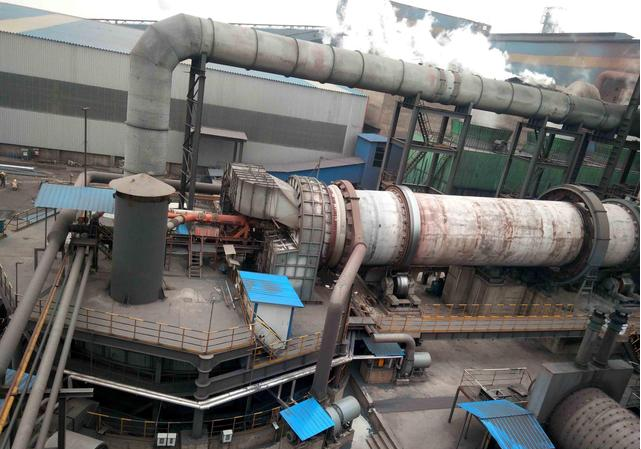
Cement rotary kilns operate at high temperatures and are exposed to abrasion, thermal shock, chemical corrosion, and mechanical stress. Choosing the right refractory materials is essential for protecting the kiln shell, maintaining thermal efficiency, and extending lining service life.
Because different kiln zones have different working conditions, refractory materials should be selected according to the specific requirements of each area.
Refractory Materials for Different Kiln Zones
Preheater and Precalciner
These areas are mainly exposed to dust abrasion, alkali attack, and thermal cycling. Common materials include high alumina bricks, mullite bricks, high alumina castables, and low cement castables.
Good wear resistance, thermal shock resistance, and chemical stability are important for long-term performance.
Kiln Inlet and Rear Zone
The kiln inlet is affected by high temperatures, dust circulation, alkaline compounds, and thermal stress. High alumina bricks, anti-spalling bricks, and refractory castables are commonly used to provide resistance to corrosion and abrasion.
Burning Zone
The burning zone is the hottest and most demanding section of a cement rotary kiln. Refractories must withstand high temperatures, clinker liquid phases, and mechanical stress.
Typical materials include magnesia-chrome bricks, magnesia-spinel bricks, and magnesia-hercynite bricks. Chromium-free refractory solutions can also be considered depending on the kiln process and environmental requirements.
Transition Zones
Transition zones experience thermal cycling, abrasion, and mechanical stress. Magnesia-spinel bricks, magnesia-hercynite bricks, and selected high alumina refractories can be used according to the actual operating conditions.
Cooling Zone and Kiln Outlet
These areas are exposed to clinker impact, abrasion, and thermal shock. Common materials include high alumina bricks, silica-mullite bricks, high alumina castables, and wear-resistant castables.
Refractory castables are also suitable for complex structures such as kiln hoods and coolers.
How to Optimize Cement Kiln Refractories
Effective refractory optimization starts with matching the material to the working environment rather than simply choosing the highest-grade product.
Key factors include:
Operating temperature
Abrasion and material impact
Chemical corrosion
Thermal cycling
Mechanical stress
Fuel and raw material characteristics
A combination of refractory bricks and castables can be used in different kiln zones to achieve a balance between high-temperature performance, wear resistance, and installation flexibility.
Proper installation is equally important. Brick alignment, joint thickness, castable mixing, curing, drying, and controlled kiln heating can all affect refractory service life.
Conclusion
There is no single refractory material suitable for every section of a cement kiln. A zone-specific approach using high alumina bricks, magnesia-based bricks, silica-mullite bricks, refractory castables, and other suitable materials can provide better lining performance.
By combining appropriate material selection with proper installation and kiln operation, cement plants can improve refractory reliability, reduce maintenance requirements, and extend lining service life.

