
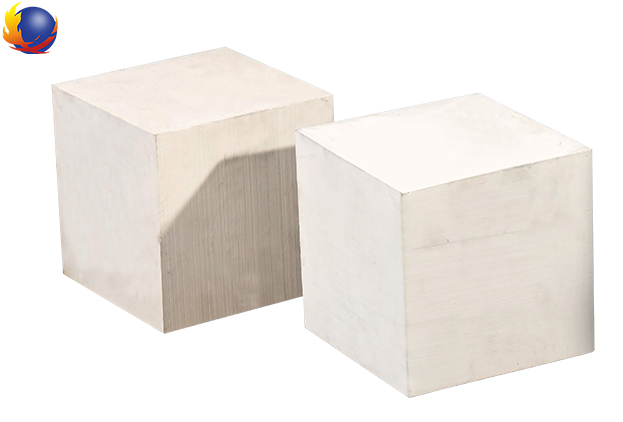
When selecting a glass furnace refractory brick, the real question is not “which material is best”, but: Which refractory combination will last the longest in YOUR furnace conditions?
Most furnace failures are not caused by low-quality bricks, but by wrong material selection for specific zones.
Step 1: Identify Your Furnace Type
Different furnaces require different refractory solutions:
● Float glass furnace → High corrosion resistance required
● Container glass furnace → Balance between cost and durability
● Electric melting furnace → Higher thermal shock resistance
Step 1: Match Brick Type to Furnace Zone
Instead of choosing one material, professional engineers always use a combination strategy:
● Melting zone → Fused cast AZS (high corrosion resistance)
● Sidewalls → Dense AZS or zircon bricks
● Crown → Silica bricks (thermal stability)
● Bottom → High alumina bricks
Step 3: Focus on Corrosion Mechanism
Molten glass attacks refractory bricks through:
● Alkali penetration
● Liquid phase erosion
● Structural dissolution
► The higher the zirconia content, the better the resistance.
Step 4: Balance Cost vs Lifetime
Cheap bricks are expensive in the long run. A longer campaign life means:
● Fewer shutdowns
● Lower maintenance cost
● Stable glass quality
Conclusion
The best glass furnace refractory brick is not a single product, but a well-designed system.
We help engineers design complete refractory solutions based on furnace drawings and operating conditions.
➥ Welcome to contact us for a tailored recommendation.

