
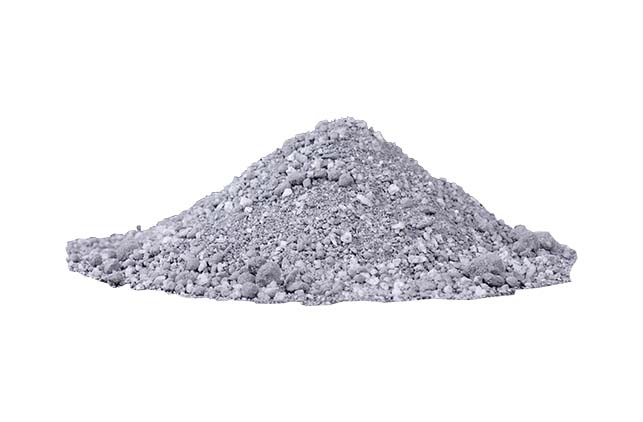
Refractory castables are a critical class of refractory materials widely utilized in the high-temperature industrial furnaces and kilns found across sectors such as metallurgy, electric power, cement, and chemicals. Given that different industrial furnaces impose varying requirements on material properties, the market offers a vast array of refractory castable types and specifications, resulting in significant price disparities. Understanding the primary factors that influence the pricing of refractory castables can assist enterprises in making more informed and rational choices during the procurement process.
According to industry research by the World Refractories Association, the demand for refractory materials in the steel and cement industries continues to grow.
I. Raw Materials Cost
Raw materials constitute the primary factor influencing the price of refractory castables. Refractory castables typically consist of refractory aggregates, fine refractory powders, and binders.
The prices of different raw materials vary significantly; examples include:
● High-alumina aggregates
● Corundum aggregates
● Mullite materials
● Silicon carbide materials
Notably, high-purity raw materials command higher prices; consequently, the production cost of refractory castables manufactured using such premium materials is also higher.
II. Refractory Grade
Based on their performance characteristics, refractory castables can be classified into various grades, such as:
● Standard Refractory Castables
● High-Alumina Castables
● Low-Cement Castables
● Ultra-Low Cement Castables
● Corundum Castables
The higher the grade of the refractory material, the superior its high-temperature resistance, mechanical strength, and erosion resistance; correspondingly, production costs increase, resulting in a higher price point.
III. Production Process
The production process also exerts a significant influence on the price of refractory castables. Advanced manufacturing equipment and rigorous production procedures can enhance product quality and stability; however, they simultaneously result in increased production costs.
For instance, certain high-performance refractory castables require the incorporation of ultrafine powders and high-efficiency dispersants, as well as the implementation of precise batching and strict quality control measures—all of which ultimately impact the final product price.
IV. Technical Parameter Requirements
Different types of industrial furnaces and kilns impose varying requirements regarding the technical specifications of refractory materials. Examples include:
● Service Temperature
● Compressive Strength
● Flexural Strength
● Bulk Density
● Abrasion Resistance
When clients impose stringent requirements for these technical parameters, manufacturers typically need to utilize higher-quality raw materials or optimize their formulations, which consequently leads to an increase in product pricing.
V. Purchase Quantity
Purchase quantity is another significant factor influencing the price of refractory castables. Typically, purchasing in large volumes allows for lower unit costs, resulting in a relatively lower overall price.
Conversely, small-batch purchases usually entail higher unit prices due to elevated production and transportation costs.
VI. Transportation and Packaging Costs
Refractory castables are typically transported in ton bags (bulk bags) or standard sacks. Factors such as transportation distance, mode of transport, and packaging format all impact the final price.
For instance, long-distance shipments or products destined for export often incur additional packaging and logistics expenses.
VII. Manufacturer Capabilities and Service
Different refractory material manufacturers vary in terms of technical expertise, product quality, and after-sales service. Manufacturers possessing extensive production experience and robust quality management systems tend to offer products with greater quality stability, though their prices may be slightly higher.
However, when evaluated in terms of long-term operational costs, high-quality, stable refractory castables can extend the service life of furnace linings and reduce the frequency of repairs, thereby resulting in lower overall costs in the long run.
VIII. Conclusion
The price of refractory castables is influenced by a multitude of factors, including raw material costs, product grade, manufacturing processes, technical specifications, purchase quantity, and transportation fees. When selecting refractory castables, price should not be the sole criterion; instead, one must comprehensively consider product quality, performance characteristics, and the manufacturer’s technical support capabilities.
Selecting the appropriate refractory castable not only enhances the operational efficiency of industrial furnaces and kilns but also extends the service life of the equipment, thereby generating superior economic benefits for the enterprise.

