
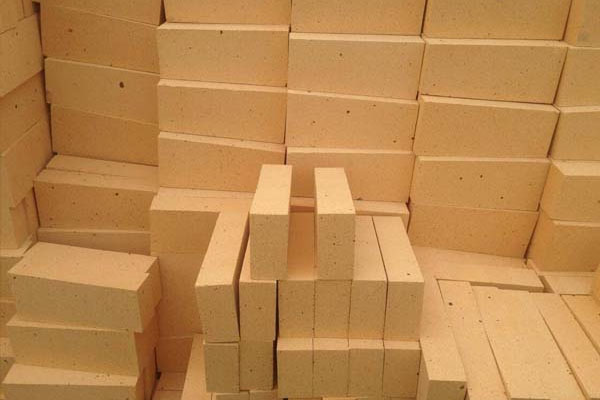
Selecting refractory materials requires comprehensive consideration of several key factors, including operating temperature, load conditions, thermal stability, chemical environment, construction requirements, and economic feasibility.
Core Selection Principles
Matching Operating Temperature
The maximum service temperature of the material should be approximately 100°C higher than the actual operating temperature to ensure long-term safety and stability. For example, ordinary glass wool is suitable for environments below 250°C, while aluminum silicate fiberboard can withstand temperatures above 1000°C.
Load and Strength Requirements
Lightweight bricks and insulating bricks have low compressive strength and cannot be used in load-bearing areas; high-temperature load-bearing areas require materials with a high load softening point.
Thermal Stability (Thermal Shock Resistance)
Areas with drastic and frequent temperature changes (such as burner bricks and furnace doors) must use materials with good thermal stability, such as high-alumina bricks, silicon carbide bricks, or cordierite bricks.
Chemical Environment Adaptability
Select materials based on the acidity or alkalinity of the working environment:
Acidic environment: Use acidic refractory materials (such as silica bricks, clay bricks)
Alkaline environment: Use alkaline refractory materials (such as magnesia bricks, magnesia-carbon bricks)
The chemical reaction between the material and slag or gases must be considered to avoid interaction leading to failure.
Mechanical Performance Requirements
Areas subject to severe mechanical wear (such as the bottom of a ring furnace) should use high-hardness materials (such as high-alumina bricks or chrome ore sand).
Comprehensive Material Selection Points
Physical Performance Indicators
Key performance indicators such as refractoriness, high-temperature structural strength (load softening temperature), thermal stability, chemical stability, and bulk density should be considered.
Construction and Economic Feasibility
Consider the ease of construction, the total life cycle cost (not just the unit price), and the technical service capabilities of the supplier. Unshaped refractory materials (such as castables) have the advantage of good overall integrity and no brick joints in large furnace lining construction.
Industry Application Characteristics
Key material selection considerations for different industries:
Steelmaking: Primarily uses basic refractory materials (magnesia-based, magnesia-carbon)
Cement industry: Basic materials are used in high-temperature zones, while high-alumina monolithic refractories are considered for medium-temperature zones due to thermal shock resistance requirements.
Petrochemical industry: Primarily uses monolithic refractory materials, requiring a combination of wear resistance, corrosion resistance, and thermal shock resistance.
When selecting refractory materials, the principle of “performance meeting production requirements first, followed by cost-effectiveness” should be followed. Avoid simply comparing prices while neglecting long-term operating costs and performance stability.

